
Mastering Guides
These mastering guides are built for producers, engineers, and musicians who want to understand how to take a finished mix to a more polished and release-ready result. Here you will find in-depth articles about loudness, dynamics, LUFS targets, EQ, compression, limiting, true peak control, stereo width, mid/side processing, hybrid mastering, stem mastering, and final quality control. The purpose of these mastering guides is to explain not only what the tools do, but also why each mastering decision matters in real-world listening situations. From streaming optimization to preserving transients and choosing between stereo mastering and stem mastering, the articles below cover the essential techniques behind a clean, balanced, and competitive master. Use this page as a starting point to build a more confident mastering workflow and achieve consistent results across formats and playback systems.
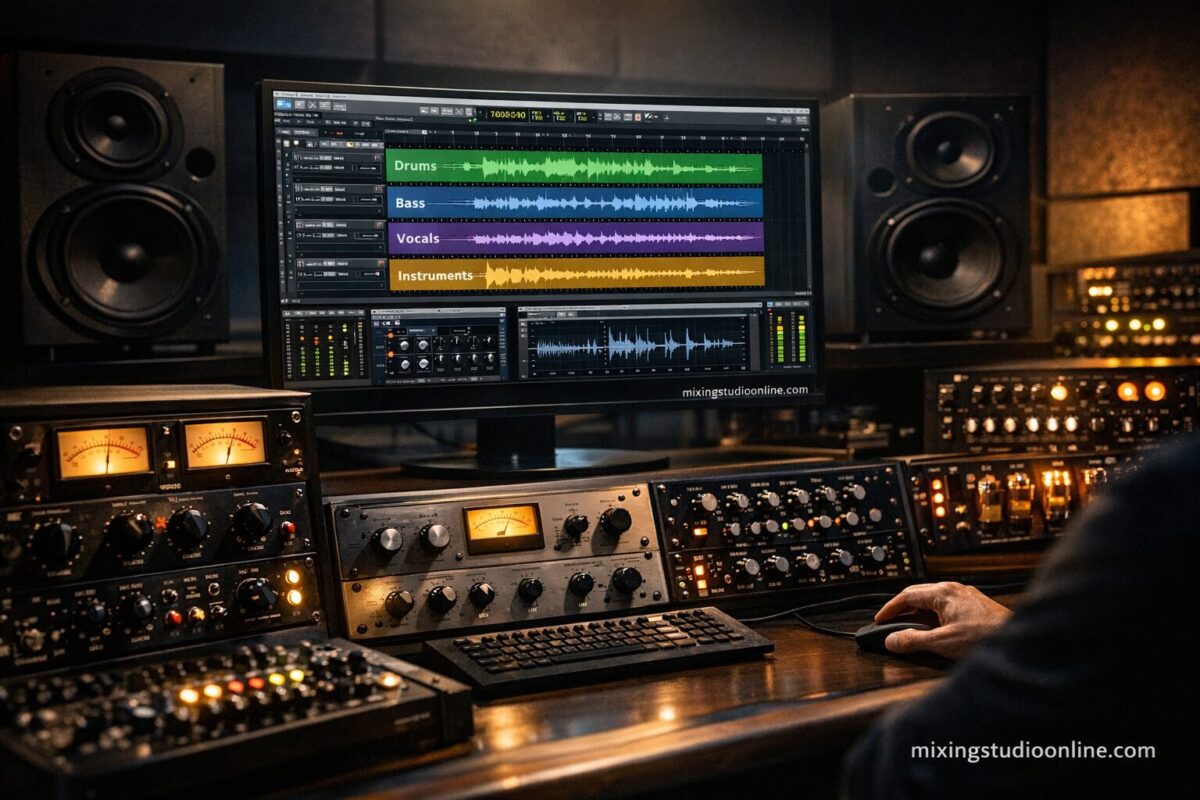
Using Analog Gear in Stem Mastering
The Power of Hybrid Mastering Using Analog Gear in Stem Mastering brings warmth, depth, and harmonic richness that complement the precision of digital tools. In a hybrid setup, analog processors such as EQs, compressors, and tape units interact naturally with audio in a way that software still only approximates. Using […]
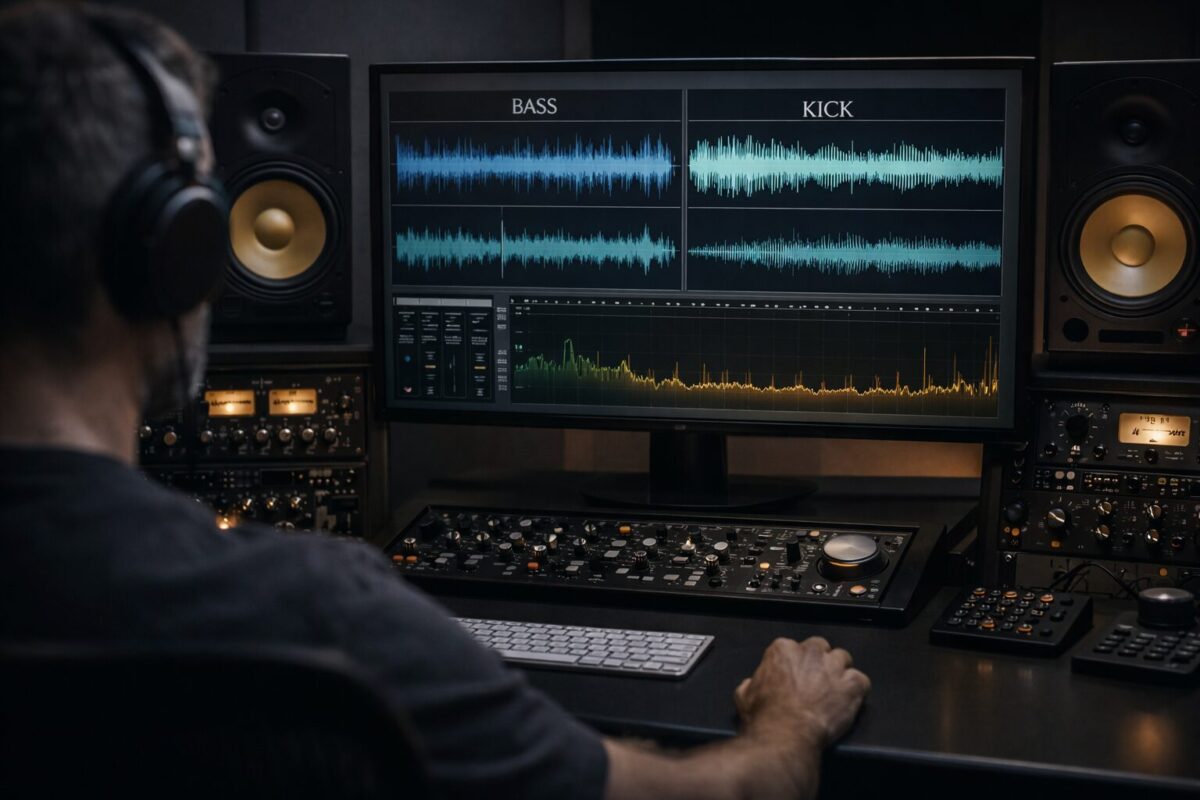
Low-End and Balance Control in Stem Mastering
The Foundation of a Solid Master Low-End and Balance Control in Stem Mastering are essential for achieving depth, stability, and punch without muddiness. The low end forms the foundation of most mixes — it drives rhythm, supports harmony, and provides the emotional weight that connects with listeners. Low-End and Balance […]
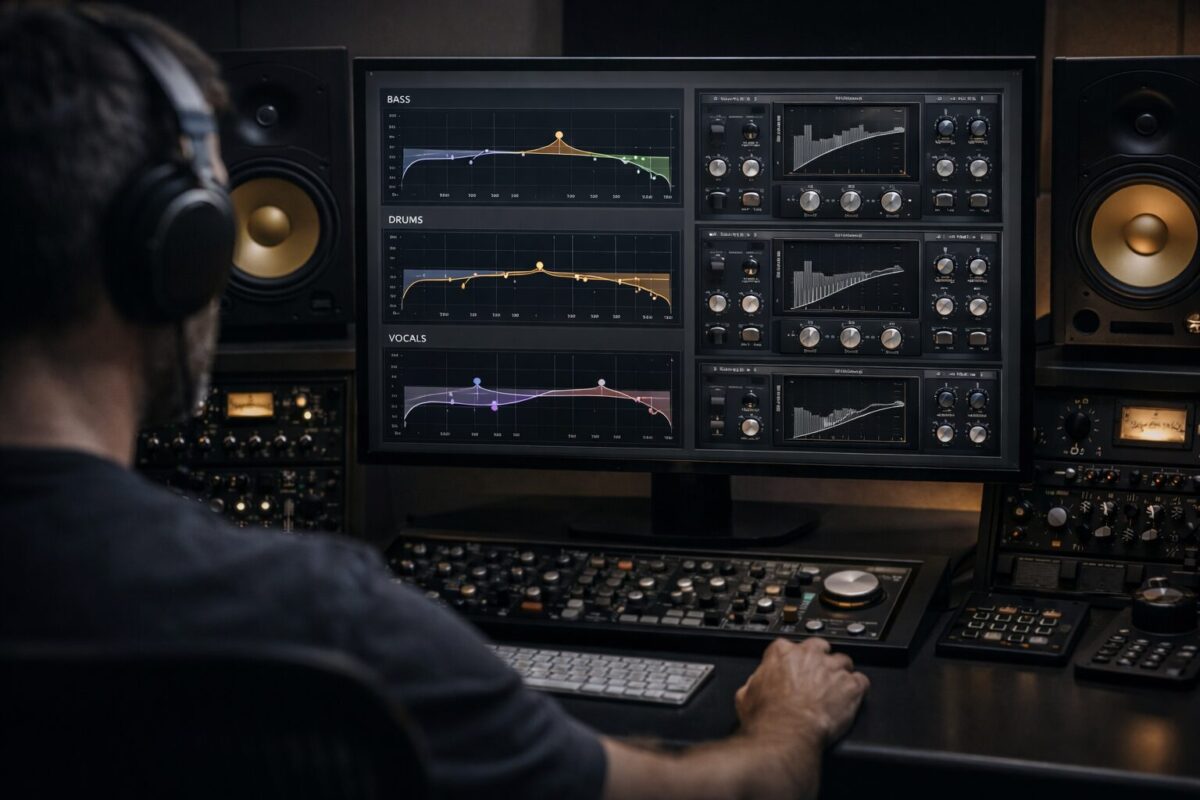
EQ and Compression in Stem Mastering
Shaping Tone and Dynamics EQ and Compression in Stem Mastering are the most powerful tools for refining balance, depth, and energy across grouped mix elements. Unlike stereo mastering, where processing affects the entire mix, stem mastering allows frequency and dynamic adjustments on specific stems such as drums, bass, vocals, and […]
How to Prepare Stems for Mastering
The Importance of Proper Preparation How to Prepare Stems for Mastering is one of the most crucial yet overlooked stages in professional audio production. Proper preparation ensures that the mastering engineer receives clean, organized, and consistent material, allowing the process to focus entirely on sonic enhancement rather than troubleshooting. How […]
Stem Mastering vs Stereo Mastering
Defining the Two Approaches Stem Mastering vs Stereo Mastering compares two professional workflows for preparing music for release. In stereo mastering, the engineer works with one stereo file that represents the final mix. In stem mastering, multiple grouped audio files — or stems — are used, such as drums, bass, […]
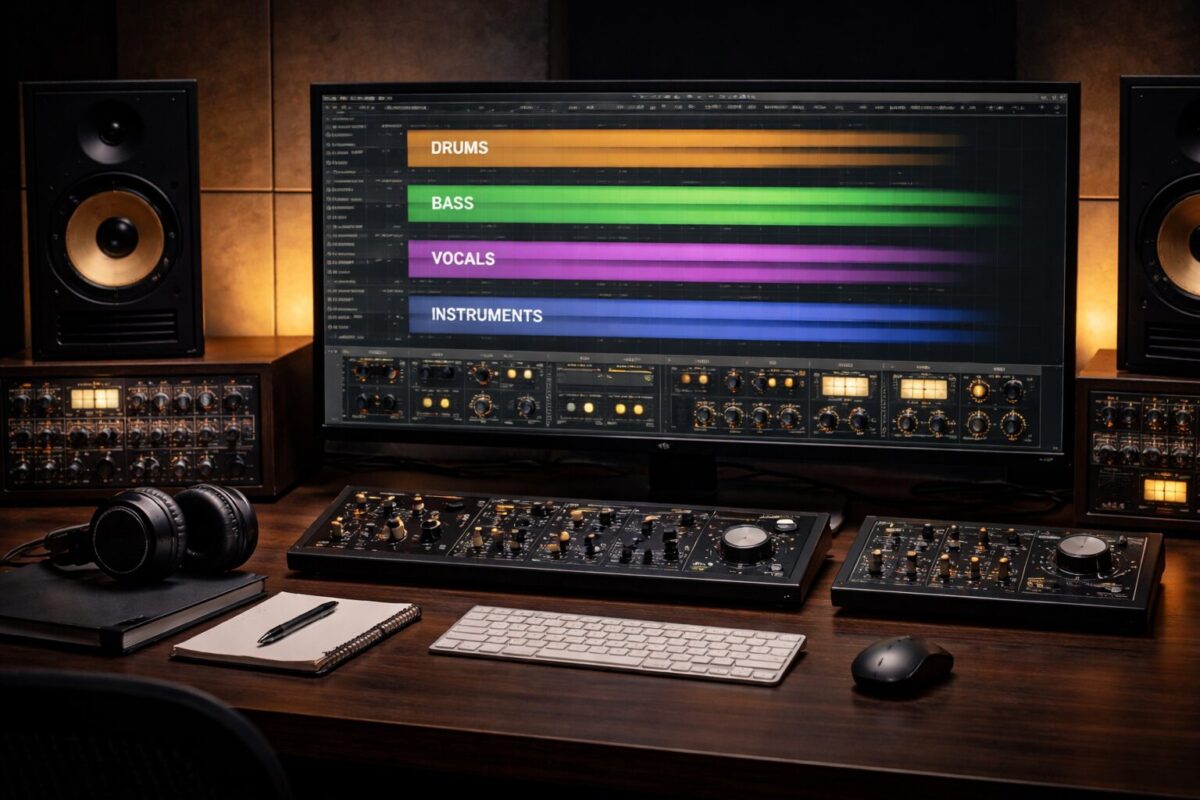
What Is Stem Mastering?
Understanding the Concept What Is Stem Mastering? is a question many producers ask when they start exploring more advanced finishing techniques. Unlike traditional stereo mastering, where the engineer works with a single stereo mix, stem mastering involves separate subgroups — or “stems” — such as drums, bass, vocals, and instruments. […]

Mastering Workflow and Efficiency for Professionals
Streamlining the Mastering Process Mastering Workflow and Efficiency for Professionals is about achieving the highest sonic quality while maintaining speed, consistency, and focus. Professional mastering engineers balance creative intuition with structured processes. Mastering Workflow and Efficiency for Professionals ensures that every project — whether a single track or a full […]

Critical Listening and Final Quality Control
Critical Listening and Final Quality Control The Final Step Before Release Critical Listening and Final Quality Control mark the culmination of the mastering process — the point where technical precision meets artistic judgment. This stage ensures that the master translates perfectly across all playback systems, from high-end studio monitors to […]
Harmonic Exciters and Saturation in Mastering
Adding Character and Warmth Harmonic Exciters and Saturation in Mastering introduce subtle harmonic overtones that enhance clarity, warmth, and perceived loudness without heavy compression. These tools emulate the behavior of analog circuits, adding pleasing coloration and depth. Harmonic Exciters and Saturation in Mastering help make sterile digital mixes feel fuller […]

How to Preserve Transients During Mastering
The Importance of Transients How to Preserve Transients During Mastering focuses on maintaining the clarity, punch, and natural energy of music while achieving commercial loudness. Transients — the initial peaks of sounds like drum hits, plucked strings, or piano attacks — define impact and detail. How to Preserve Transients During […]
Mastering for Vinyl vs Digital Formats
Understanding Format Differences Mastering for Vinyl vs Digital Formats requires distinct approaches because each medium responds differently to frequency content, dynamics, and stereo imaging. Vinyl is a physical medium with mechanical limitations, while digital platforms allow near-limitless precision. Mastering for Vinyl vs Digital Formats ensures the music translates optimally to […]
Dynamic Range and LUFS Targets for Streaming
The Importance of Dynamic Range Dynamic Range and LUFS Targets for Streaming define how modern masters balance loudness, punch, and musical expression. Dynamic range — the difference between quiet and loud moments — gives music emotional shape. Too much compression flattens excitement; too little makes a song feel weak. Dynamic […]
Using Analog and Digital Gear in Hybrid Mastering
The Rise of the Hybrid Approach Using Analog and Digital Gear in Hybrid Mastering combines the warmth and depth of analog hardware with the precision and flexibility of digital tools. The hybrid method has become a modern standard among mastering engineers seeking both sonic character and workflow efficiency. Using Analog […]

Reference Tracks and Consistency in Mastering
The Role of Reference Tracks Reference Tracks and Consistency in Mastering are essential for achieving professional, repeatable results. A reference track provides a tonal and dynamic benchmark, helping you evaluate whether your master aligns with commercial standards. Reference Tracks and Consistency in Mastering ensure objectivity — they help you step […]
Mastering Chain Order and Signal Flow
The Logic Behind the Mastering Chain Mastering Chain Order and Signal Flow determine how every process interacts to shape the final sound. The sequence in which EQ, compression, saturation, and limiting are applied can drastically change tone, dynamics, and loudness. Mastering Chain Order and Signal Flow are built on logic […]
Mid/Side Processing for a Balanced Master
Understanding Mid/Side Mastering Mid/Side Processing for a Balanced Master is a powerful technique that separates a stereo signal into two components: the mid (center) and the side (stereo information). This allows independent control over what happens in the center — like vocals, bass, and kick — and what occurs in […]
Limiter Settings and True Peak Control
The Final Guard in Mastering Limiter Settings and True Peak Control define the last and most crucial step in the mastering process. A limiter ensures that the final master remains loud, consistent, and free from digital clipping. Limiter Settings and True Peak Control determine how loudness and transients coexist at […]
Multiband Compression in Mastering
The Purpose of Multiband Compression Multiband Compression in Mastering is one of the most precise tools for controlling dynamics and tonal balance across the frequency spectrum. Unlike broadband compression, which affects the entire mix equally, Multiband Compression in Mastering divides the signal into multiple frequency bands that can be processed […]
Stereo Width and Imaging at the Mastering Stage
The Role of Stereo Imaging in Mastering Stereo Width and Imaging at the Mastering Stage determine how open, balanced, and immersive a final mix feels. At this point, the mix is already complete, but subtle adjustments to width and spatial balance can elevate it from good to exceptional. Stereo Width […]
EQ Balance and Tonal Shaping in Mastering
The Purpose of EQ in Mastering EQ Balance and Tonal Shaping in Mastering form the foundation of a polished, professional sound. Equalization at the mastering stage is about subtle refinement, not drastic correction. EQ Balance and Tonal Shaping in Mastering aim to ensure that every frequency band contributes harmoniously to […]
The Art of Loudness and Dynamics in Mastering
Balancing Loudness and Musicality The Art of Loudness and Dynamics in Mastering revolves around one of the most delicate challenges in audio production — making a track sound powerful and competitive without crushing its musical expression. The Art of Loudness and Dynamics in Mastering requires understanding how volume, impact, and […]