How to Preserve Transients During Mastering
The Importance of Transients
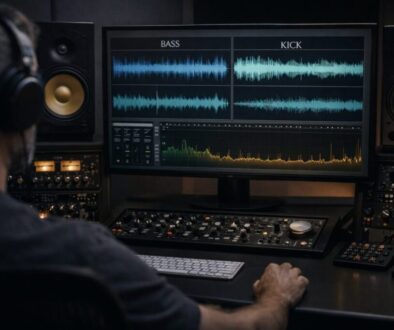
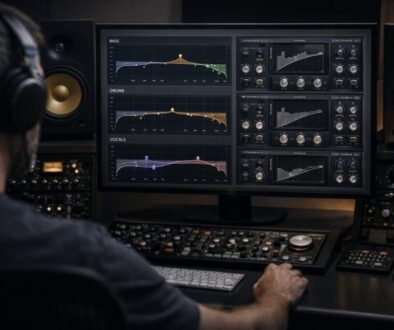
How to Preserve Transients During Mastering focuses on maintaining the clarity, punch, and natural energy of music while achieving commercial loudness. Transients — the initial peaks of sounds like drum hits, plucked strings, or piano attacks — define impact and detail. How to Preserve Transients During Mastering means protecting those crucial moments from over-compression, limiting, or excessive processing. Masters that retain transient integrity feel dynamic, alive, and emotionally engaging, while those that lose it sound flat, dull, and fatiguing.
Recognizing Transient Damage
The first step in How to Preserve Transients During Mastering is identifying what dulls them. Overly fast compression, heavy limiting, and extreme saturation are common culprits. When transients are lost, percussion loses punch, vocals sound lifeless, and mixes feel overly dense. Compare your master to dynamic references at matched loudness — if the reference feels more open or tactile, transient loss is likely. The goal isn’t to eliminate processing but to manage it carefully so transients remain vivid within a controlled dynamic range.
Compression Techniques for Clarity
Compression shapes the transient envelope, so its settings determine whether you preserve or crush detail. In How to Preserve Transients During Mastering, use slow attack times to let the transient pass through before compression engages, maintaining punch and definition. Medium to fast releases restore energy between hits. Ratios should remain gentle — around 1.2:1 to 2:1 — for subtle control. Multiband compression can help isolate problem areas without dulling the entire mix, but too many overlapping bands risk flattening transient edges. Subtlety is key; each dB of reduction affects feel.
Limiting Without Killing Impact
Limiters are essential for final loudness but easily overused. In How to Preserve Transients During Mastering, aim for no more than 2–3 dB of gain reduction on peaks. Use limiters with adjustable attack and release or transient preservation modes to maintain punch. Oversampling and true peak control reduce distortion and aliasing. For aggressive material, consider a two-stage approach — a soft clipper before the limiter to tame extreme peaks transparently. The limiter should smooth dynamics, not rewrite them; when transients breathe, the entire mix feels more dimensional.
Enhancing Transients Creatively
Preserving transients doesn’t mean avoiding enhancement. How to Preserve Transients During Mastering often includes tools that emphasize attack selectively. Transient shapers can add definition to drums or percussive instruments when they’ve been softened by previous processing. Parallel compression can also maintain transient clarity while adding body and sustain. Adding gentle harmonic saturation increases perceived sharpness without boosting volume. These methods restore life and articulation while keeping the overall dynamic balance intact.
Monitoring and Reference Practices
Critical listening is crucial to How to Preserve Transients During Mastering. Regularly toggle between processed and unprocessed versions to hear what’s gained or lost. Listen at low and moderate volumes — over-compressed masters often sound impressive loud but collapse at quiet levels. Compare across multiple systems to ensure transients translate naturally everywhere. Avoid over-analyzing meters; let your ears decide what feels dynamic and musical. When transients are preserved, a master delivers clarity, energy, and punch — the unmistakable qualities of a professional, emotionally powerful production.