Mastering for Vinyl vs Digital Formats
Understanding Format Differences
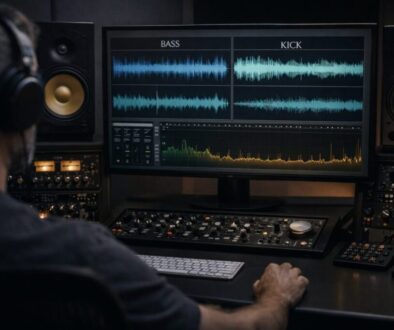
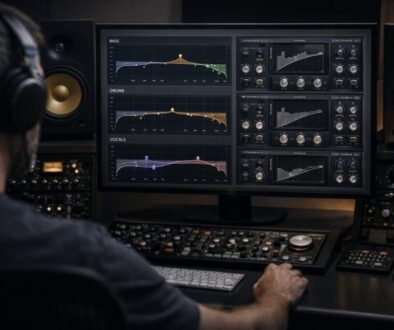
Mastering for Vinyl vs Digital Formats requires distinct approaches because each medium responds differently to frequency content, dynamics, and stereo imaging. Vinyl is a physical medium with mechanical limitations, while digital platforms allow near-limitless precision. Mastering for Vinyl vs Digital Formats ensures the music translates optimally to both — preserving tone, energy, and character while respecting the technical boundaries of each playback system. A one-size-fits-all master rarely performs well across these formats, so engineers tailor each version for its destination.
Frequency Response and Low-End Management
Vinyl has physical restrictions that affect low frequencies. Excessive sub-bass or stereo width below 100 Hz can cause the stylus to skip or distort. In Mastering for Vinyl vs Digital Formats, engineers center the low end and reduce unnecessary sub frequencies, often with elliptical EQ or mid/side processing. Digital masters, by contrast, can carry deeper bass and wider stereo imaging without playback risk. This means a vinyl master often sounds tighter and more midrange-focused, while a digital master may emphasize depth and extension for modern playback systems.
High Frequencies and Groove Limitations
High frequencies also behave differently between vinyl and digital. Excessive brightness, sibilance, or transient-heavy content can cause distortion during cutting. In Mastering for Vinyl vs Digital Formats, engineers use de-essing or gentle high-frequency compression to maintain clarity without harshness. Digital mastering allows brighter top-end response since playback isn’t limited by groove geometry. However, digital harshness can quickly become fatiguing, so the key is balance — enough air for definition, but smooth enough for sustained listening on both mediums.
Dynamic Range and Loudness Considerations
Vinyl favors dynamic masters. Too much compression reduces groove definition and makes cutting difficult. In Mastering for Vinyl vs Digital Formats, engineers typically maintain wider dynamic range and lower average level, around -16 to -18 LUFS. Digital masters, optimized for streaming, target higher loudness levels (-14 LUFS or above) while preserving musical movement. Vinyl thrives on transient clarity and breathing space, while digital playback supports punchier, louder presentation. Each format benefits from dynamics that suit its physical or digital playback environment.
Stereo Imaging and Phase Alignment
Phase alignment is critical in Mastering for Vinyl vs Digital Formats. Stereo information in the low end can cause cancellation or mechanical issues on vinyl. Engineers often collapse sub frequencies to mono while maintaining stereo width in higher frequencies. Digital masters can retain full-width low end and extreme stereo imaging without restriction. Always check mono compatibility for both — even digital systems benefit from phase-coherent low end. Maintaining consistent center energy ensures translation across speakers, headphones, and vinyl turntables alike.
Deliverables and Quality Control
Each format requires different deliverables. For Mastering for Vinyl vs Digital Formats, vinyl pre-masters are often delivered as 24-bit WAV files with specific headroom (-3 to -6 dBFS) and side length limits. Digital masters include dithering, true peak control, and LUFS compliance for streaming. Test pressings are essential for vinyl quality assurance, while digital distribution relies on metering and file integrity checks. A great mastering engineer approaches both formats with equal care — honoring the warmth and tangibility of vinyl while maximizing the precision and reach of digital audio.