Using Analog and Digital Gear in Hybrid Mastering
The Rise of the Hybrid Approach
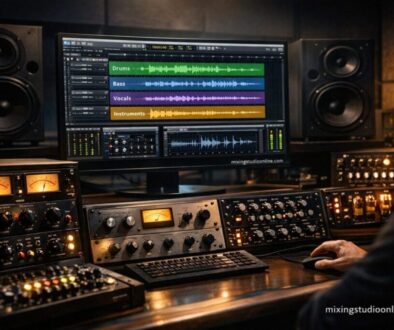
Using Analog and Digital Gear in Hybrid Mastering combines the warmth and depth of analog hardware with the precision and flexibility of digital tools. The hybrid method has become a modern standard among mastering engineers seeking both sonic character and workflow efficiency. Using Analog and Digital Gear in Hybrid Mastering allows engineers to capture the best of both worlds — analog’s harmonic richness and tactile control, alongside digital’s recall, transparency, and precision. This approach transforms mastering into a dynamic blend of art and technology.
The Character of Analog Gear
Analog equipment imparts color, depth, and harmonic complexity that are difficult to emulate digitally. In Using Analog and Digital Gear in Hybrid Mastering, hardware compressors, EQs, and saturators are often used for their musical response and subtle imperfections. Tube and transformer-based circuits gently shape transients, smooth harshness, and add low-end warmth. Analog EQs, such as passive or Pultec-style designs, create wide, musical curves ideal for tonal enhancement. These devices contribute natural compression and dimension, making the sound feel alive and tactile — qualities often sought in high-end mastering.
The Precision of Digital Tools
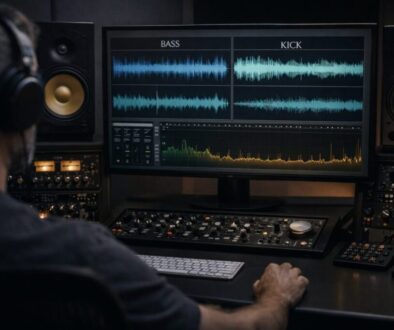
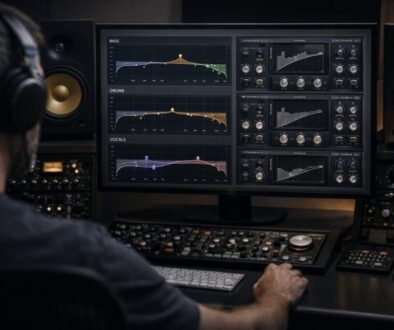
Digital processing brings unmatched flexibility and accuracy to Using Analog and Digital Gear in Hybrid Mastering. Linear-phase EQs, dynamic EQs, and multiband compressors allow micro-level adjustments that analog gear can’t replicate. True peak limiting, mid/side control, and LUFS metering ensure precise compliance with modern loudness standards. Digital tools also offer full recall — crucial for revisions and client feedback. Their transparency complements analog coloration, enabling engineers to sculpt fine details while preserving the organic qualities introduced by hardware.
Hybrid Signal Flow and Integration
The workflow in Using Analog and Digital Gear in Hybrid Mastering typically begins in the digital domain for corrective tasks — removing resonances, balancing tone, or adjusting dynamics before routing into analog gear for character enhancement. The analog chain might include EQ, compression, and saturation, after which the signal is recaptured into the DAW through high-quality converters. Final limiting, metering, and dithering are handled digitally. Proper gain staging throughout ensures optimal headroom and prevents distortion, allowing analog and digital components to complement one another seamlessly.
Advantages of the Hybrid Workflow
The greatest strength of Using Analog and Digital Gear in Hybrid Mastering is versatility. Analog hardware adds sonic depth and tactile inspiration, while digital tools ensure precision and repeatability. Hybrid systems encourage creative exploration — adjusting knobs in real time while maintaining exact digital reference points. They also provide redundancy: hardware introduces pleasing imperfections, while digital recall ensures consistency. This balance of spontaneity and control produces masters that are both emotionally rich and technically flawless.
Best Practices and Calibration
Hybrid setups demand careful calibration to maintain signal integrity. In Using Analog and Digital Gear in Hybrid Mastering, converters should be of the highest quality, and analog gear must be aligned for consistent gain staging. Regular calibration prevents tonal drift between sessions. Documenting signal chains and settings ensures reproducibility. Always monitor latency and noise levels, compensating digitally if needed. The most successful hybrid masters sound cohesive — not “half analog, half digital” — but unified, leveraging the texture of hardware with the clarity of software to achieve timeless, professional results.